

This week we are spending time with bubbles of all kinds while we practice this week’s Coping Skill: Blow the bubbles (see the segment below). We have bubbles from soap, bubbles we can blow, bubbles we chase, bubbles in our water cups and bubble wrap! Our Circle Time books are Bubble Trouble and The Worry Balloon from our local library about other B things: a baby boy who gets stuck in a bubble and a little girl who puts her worries in a balloons to blow away.


Here are some questions to find out about our day:
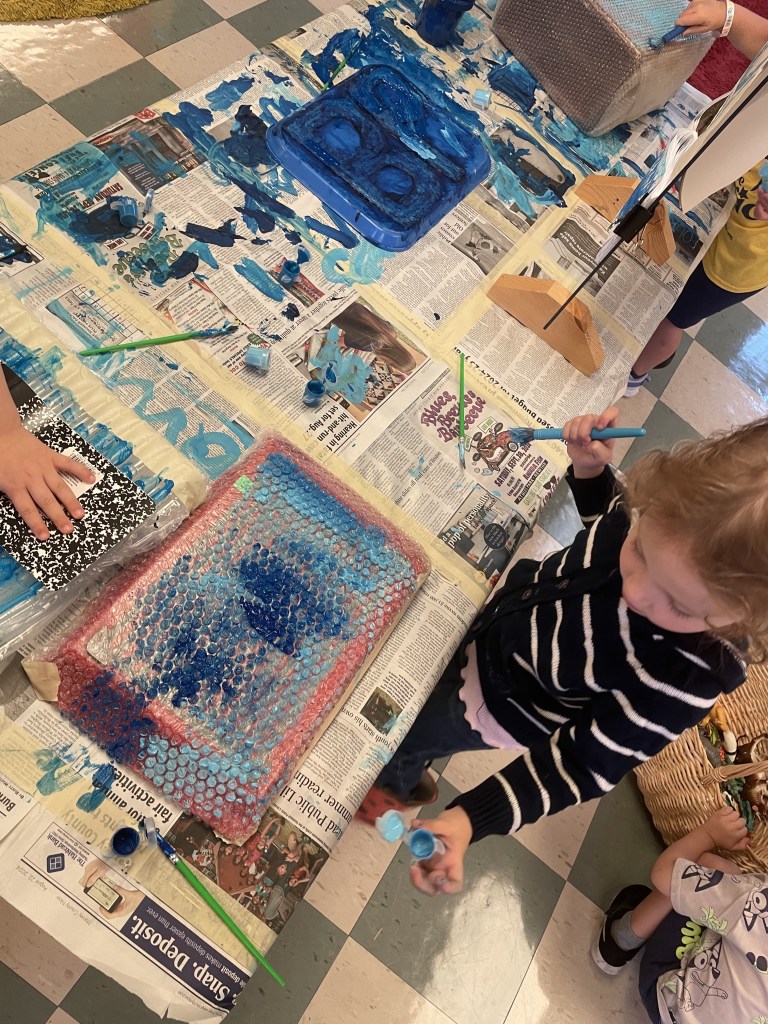
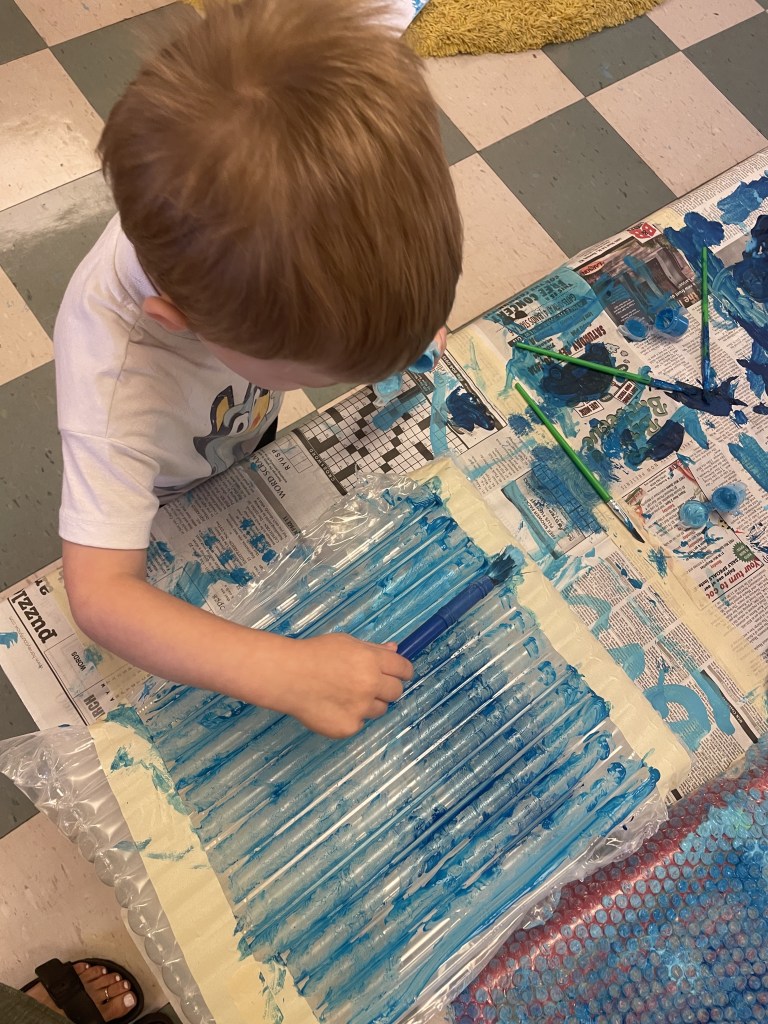
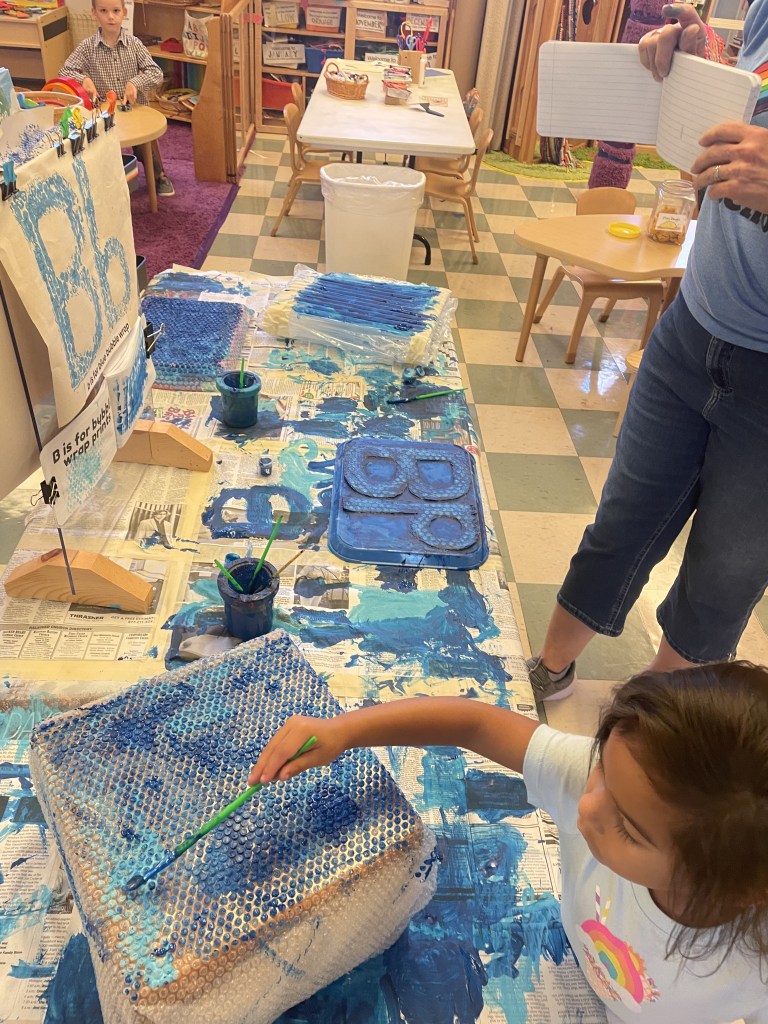
What did you make a print of for your journal?

Bubble wrap! We had different bubble wrap available with more shades of blue. We pressed hard on our journals to get a strong print!


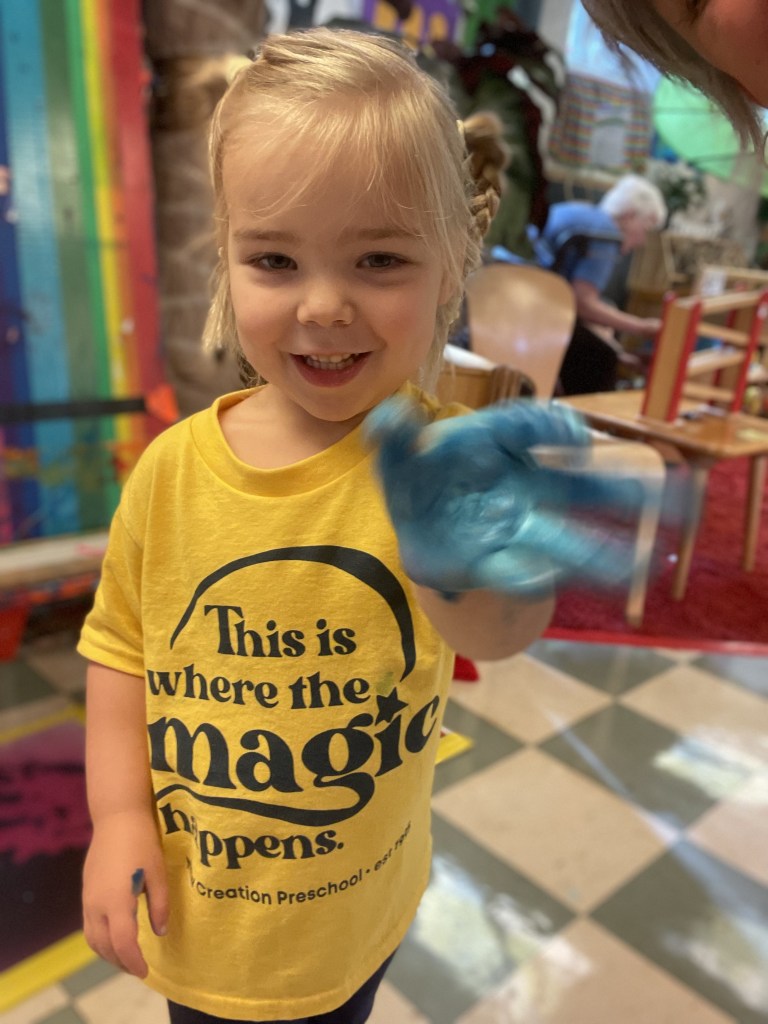


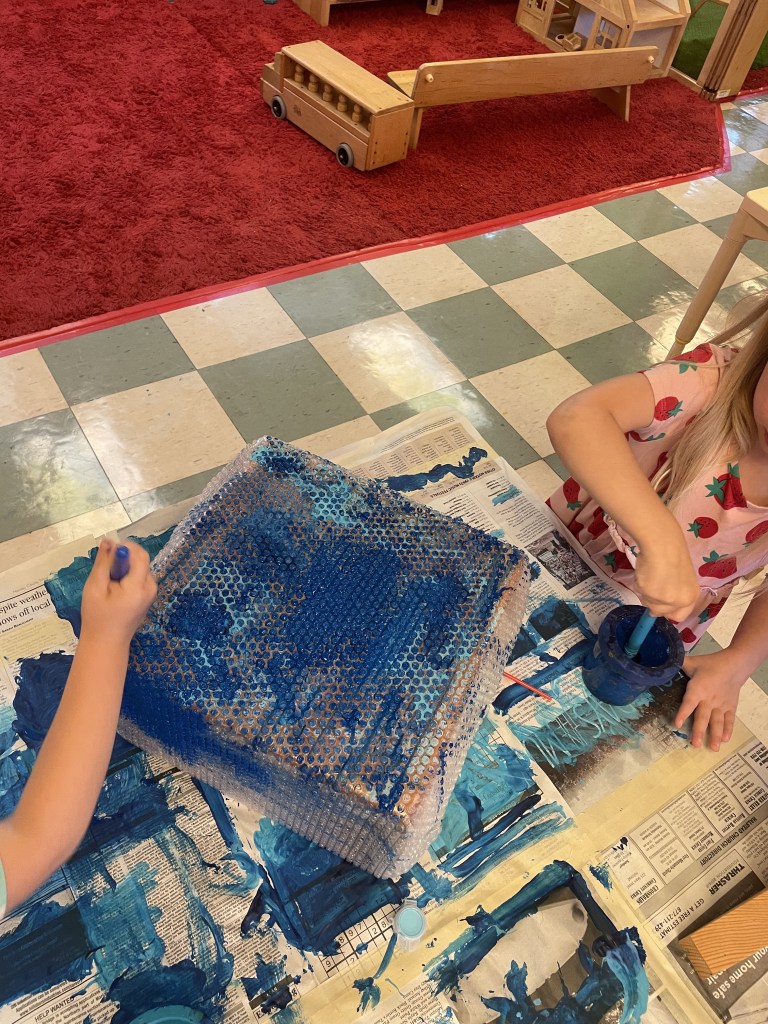


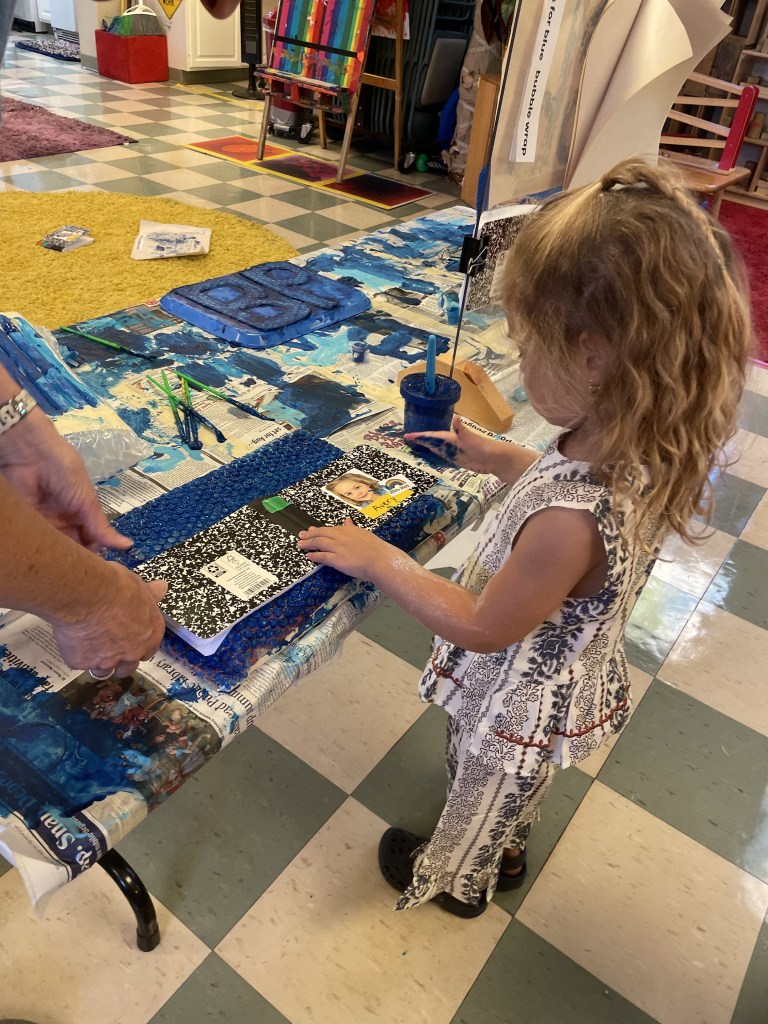
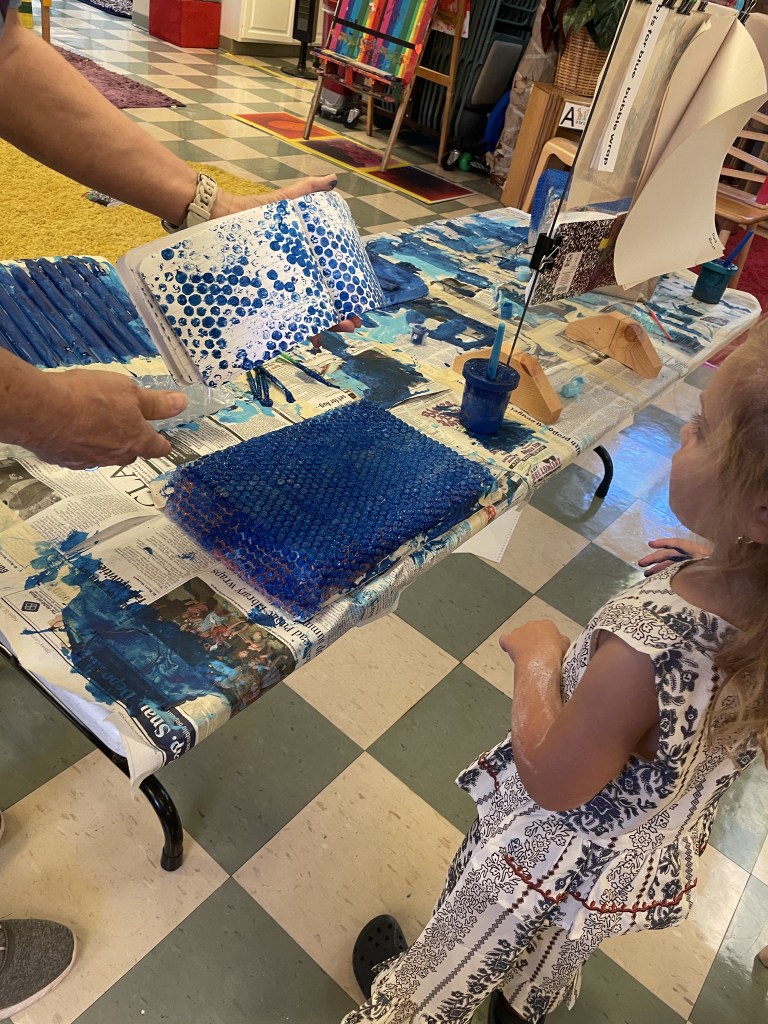

I’m so grateful for our volunteers! Today Ms Brenda and I were joined by my mom, Grandma Bonnie and Grandma Mona.
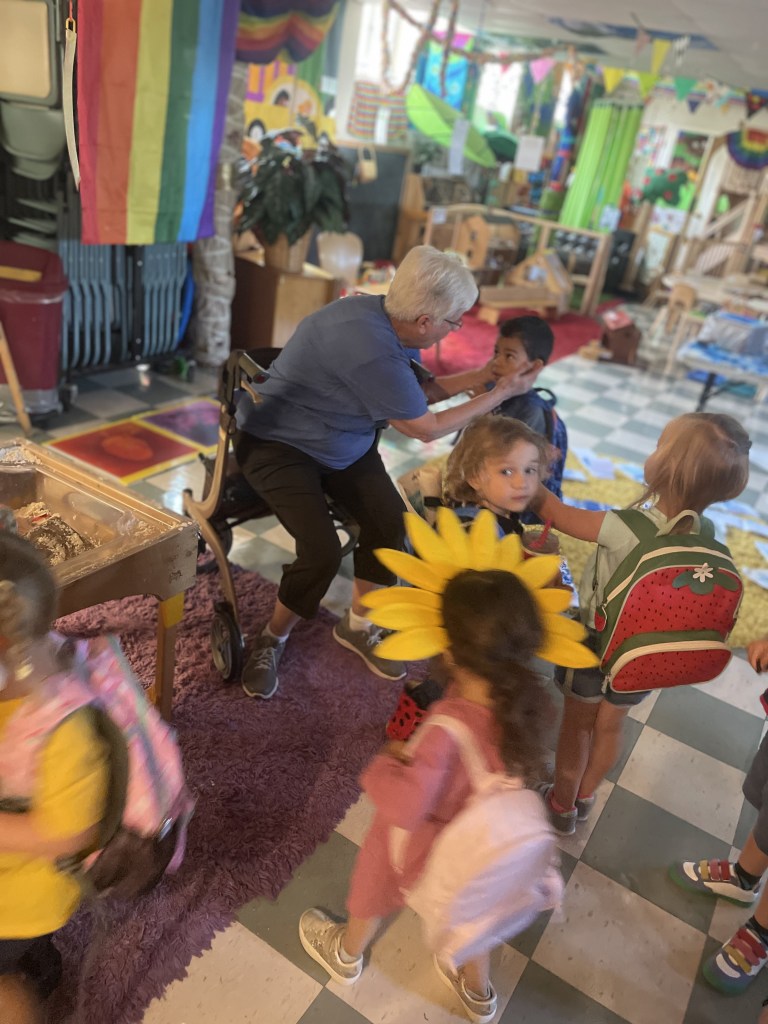
When we were done with our bubble wrap prints we continued painting the newspaper table too. Thanks again, Harvey County Now!
Fanny the Fan is still at preschool today and helped get our paintings dry,
How did the baby bubble break?

A rock from a slingshot hit it! Woah, we turned the page quickly to find out what happened to the baby.
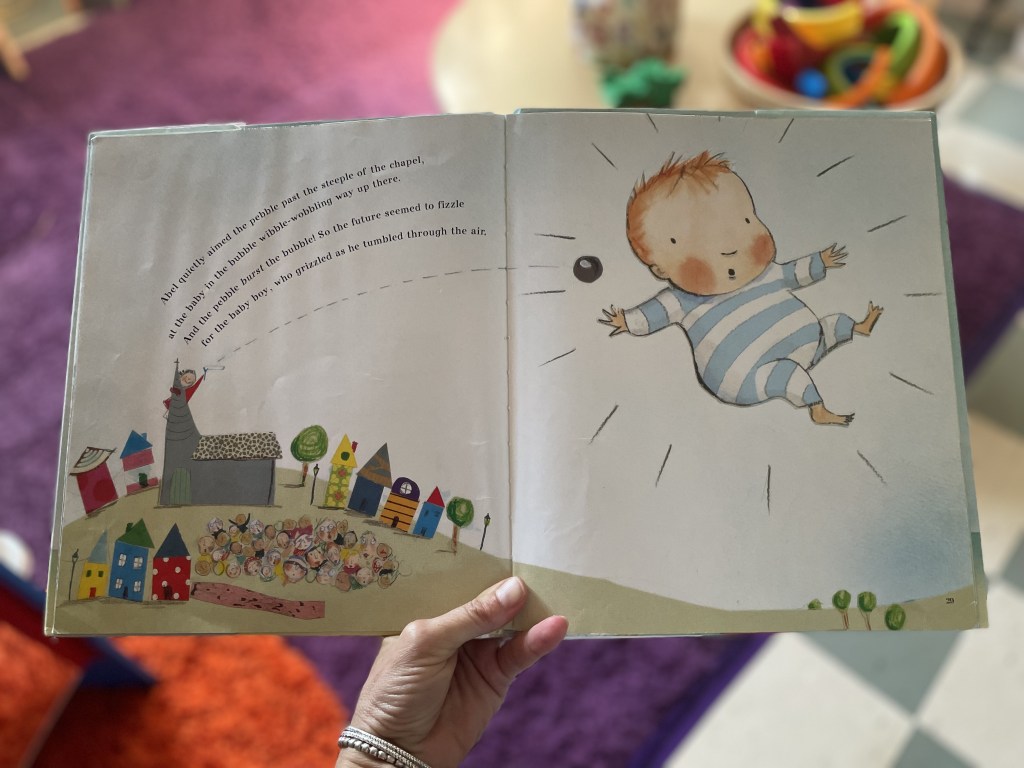
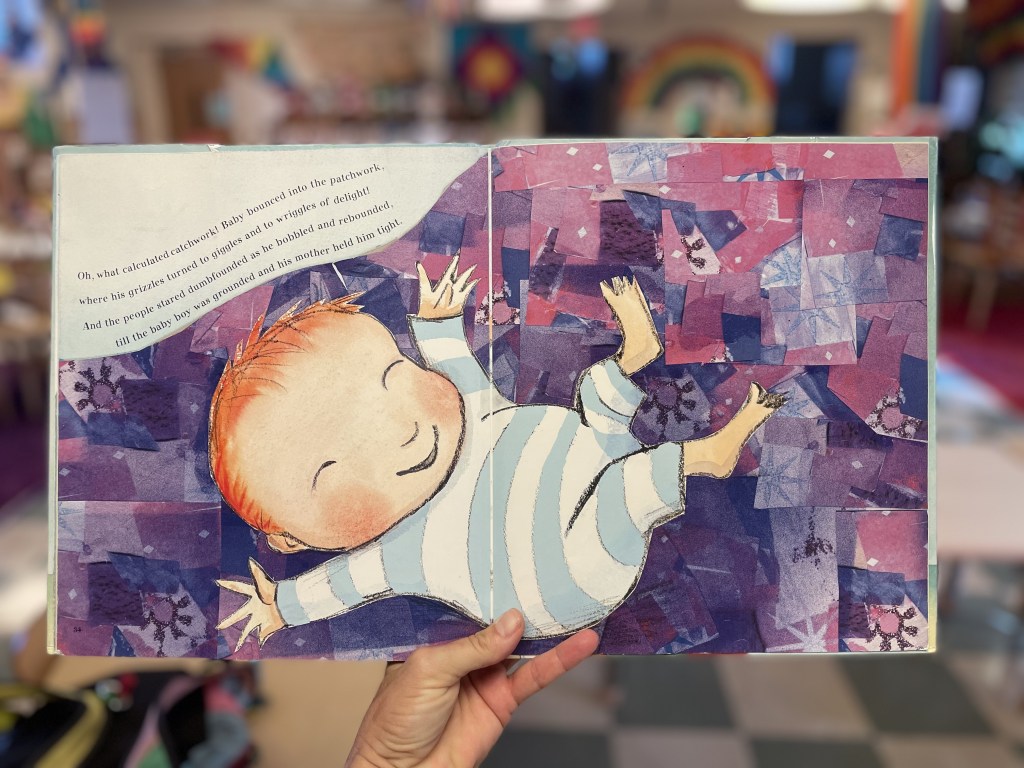
Good news: he is safe.
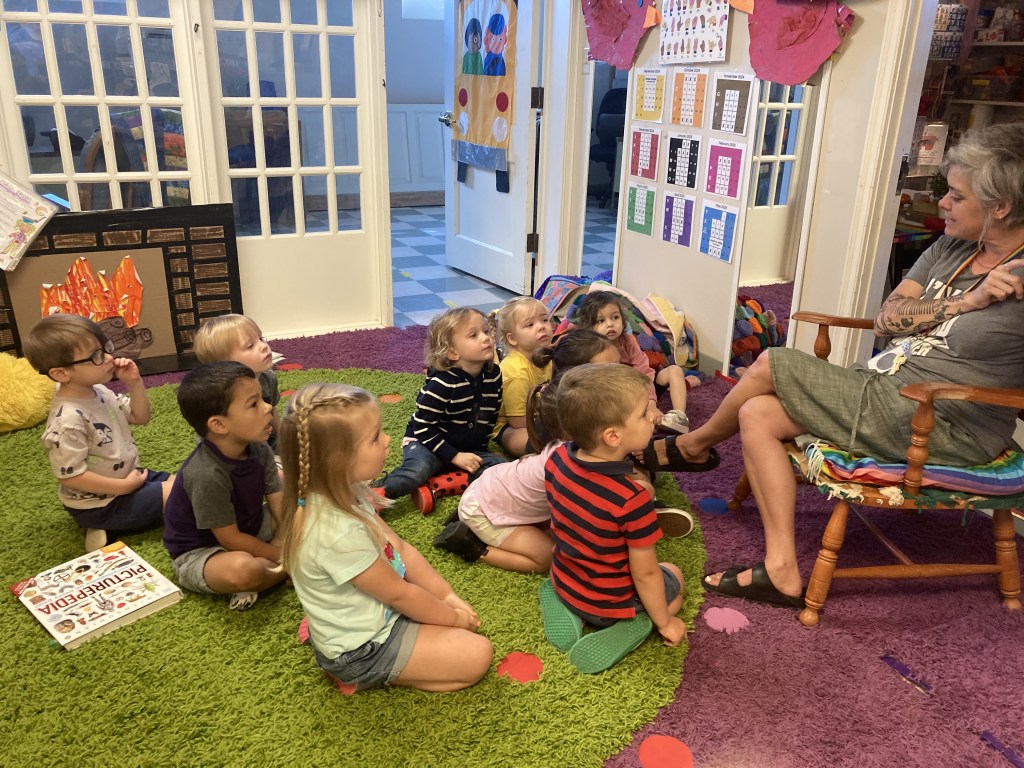
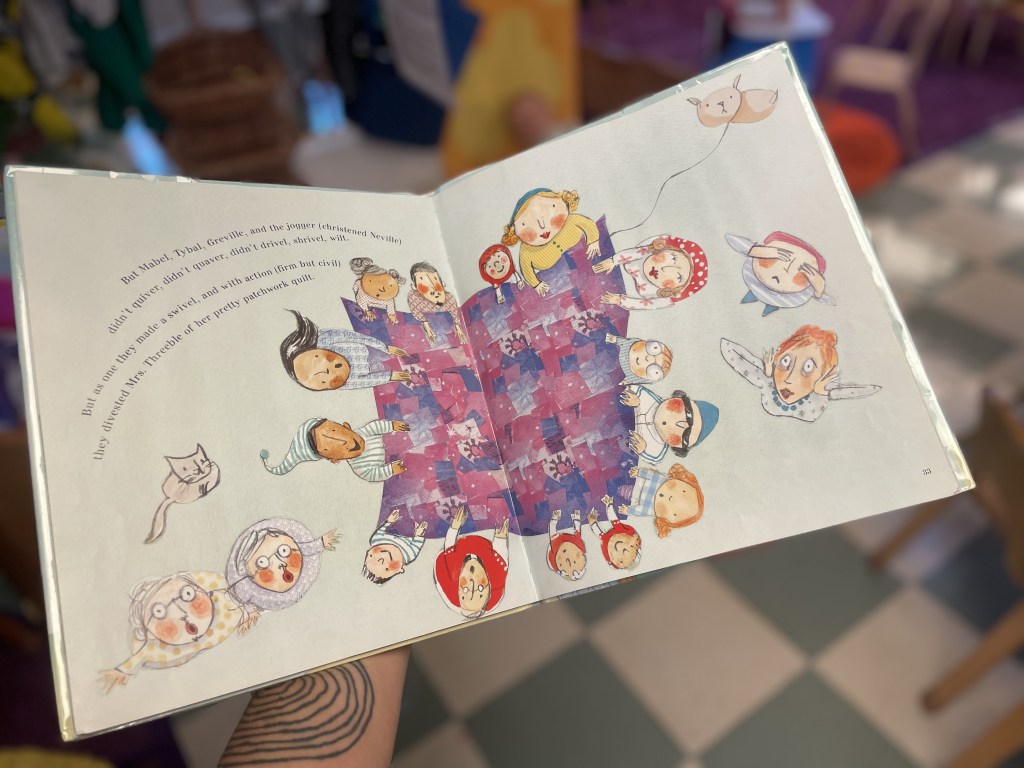
We also had fun looking for the steeple on our church school building…but there was NOT anyone with a slingshot on it.


Who did you make pretend food for?
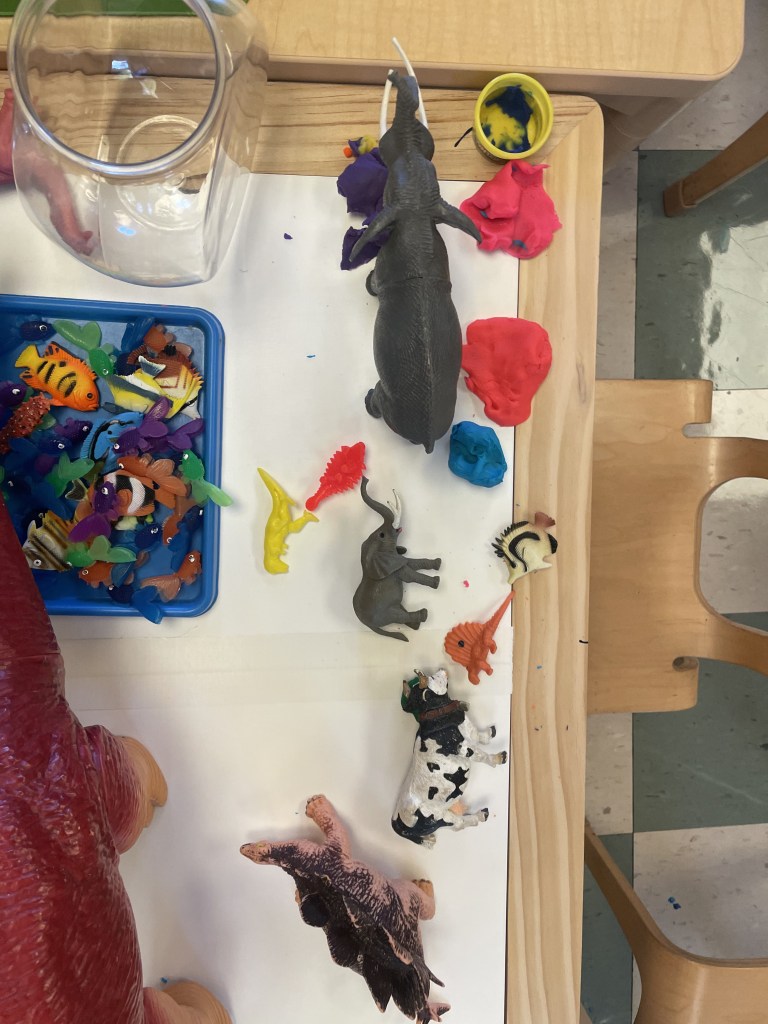
.The baby animals and their grown ups! We worked on classification and animal habitats while also providing them with play dough food. Thank you to the families who have donated play dough…the wide range of colors came in really handy today!


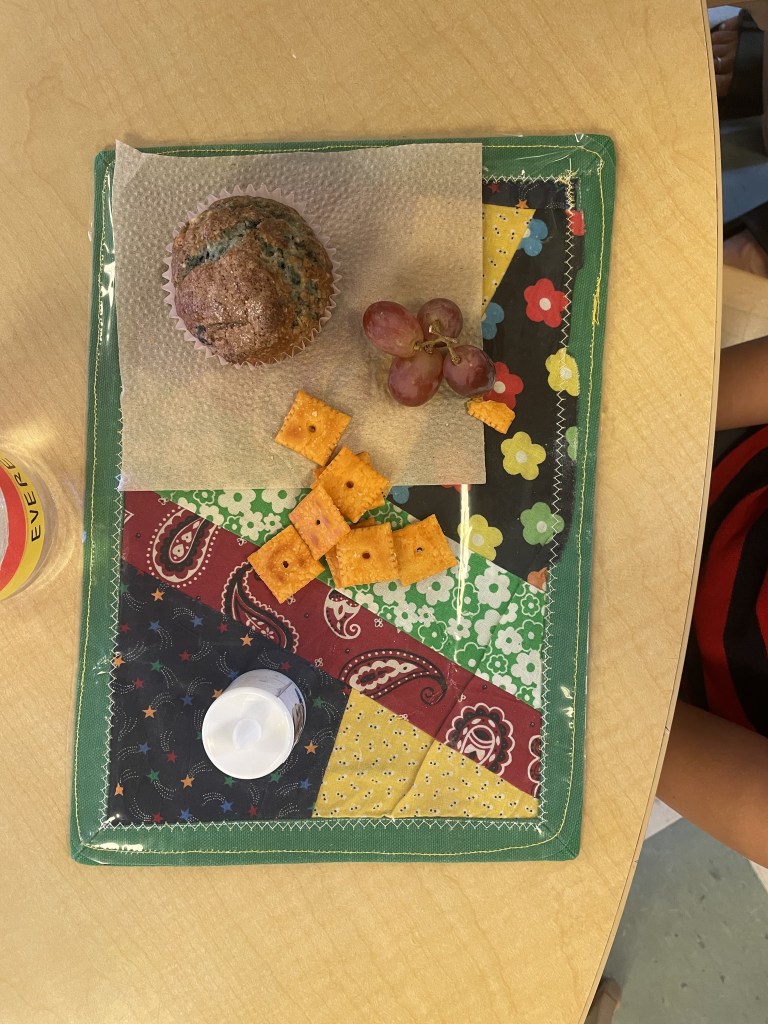
What did you have at Snack Time today?
We invite children to help set the table, arrange chairs, cut napkins (we’re working to cut down on waste this year…wait to hear more!). It’s a fun part of our day.


In the morning we had a birthday celebration snack for Everett with blueberry muffins, grapes and cheese crackers. Thank you, Everett!
In the afternoon we had butterflies! The body was cheese, the wings were filled with goldfish, Halloween colored m&ms and grapes. All were individually decorated by Owen. Thank you!


B Week Coping Skill: Blow the bubbles.

This week we are exploring the longer exhale breath that accompanies blowing bubbles (both bubbles already in the air and the act of using a bubble wand or straw). Longer exhales cause the vagus nerve to send a signal to the brain, activating the parasympathetic nervous system (rest and digest) and easing the sympathetic nervous system (fight, flight, or freeze). Children may be able to witness the effectiveness of this breathing technique while blowing bubbles. Children are also reminded to return to a comfortable and spontaneous breathing pattern (building on last week’s skill of honoring their bodies’ impulses. This coping skill has the added benefit of being one that can be done “anytime anywhere” with imaginary bubbles.
This week’s Coping Skill questions you can ask your child:
How small of a mouth hole can you blow bubble breath through? One trick to extend the exhale is to purse the lips and make as small of an opening as possible for the breath to sneak out of. Remember to invite children to return to a comfortable breathing pattern after a bubble breath.

What color bubble wand did you use?
We have a wide range of rainbow colors to choose from: red, orange, yellow, green, light blue, dark blue, purple and pink!

Other benefits of bubble play :
Fine motor skills – this one is probably the most obvious to think about. Using the skinny wand that usually comes with a bubble container, children can practice pinching and holding the bubble blower as if they were holding a pencil! They can also work with bilateral hand coordination, as one hand is holding the bottle while the other dips the wand in. There is also strength and dexterity required to open and close the bottle, and lots of different ways to pinch, poke, or clap the bubbles!
Gross motor skills – The act of chasing bubbles and trying to pop them can be a great way to get kids to crawl, jump, run, stomp, bend down and reach up super high! This fun play can help strengthen children’s muscles and develop important gross motor skills, and usually the chase of the bubble is it’s own reward!
Sensory processing skills – Bubbles are wet and slimy, they feel interesting on your skin. This might be something some kids LOVE…and other kids might hate. It might be a nice way to practice getting used to a soapy texture if you’re trying to help your child with their willingness to bathe/wash their hands. The physical act of blowing a bubble can also be very effective as a sensory based way to help children organize and focus their bodies.
Hand eye coordination and visual tracking skills – The process of playing with bubbles take lots of practice to connect what the eyes and hands are doing in order to use the wand! With this practice, we can also work on tracking skills, by pointing out the bubbles high and low, to have your child look at them to their left, right, up and down.
Oral motor skills – Blowing bubbles is hard work! To blow a bubble you need to pucker your lips to make a little circle (also called lip rounding), which can help improve oral motor skills! These oral motor skills can help exercise the jaw muscles to prepare the mouth for pronunciation of words. I read a tip that if you see that their lips are making a flat shape instead of a round shape, you can gently squeeze their cheeks to get their lips to make the right shape.
 newcreationpreschool.com