
No.
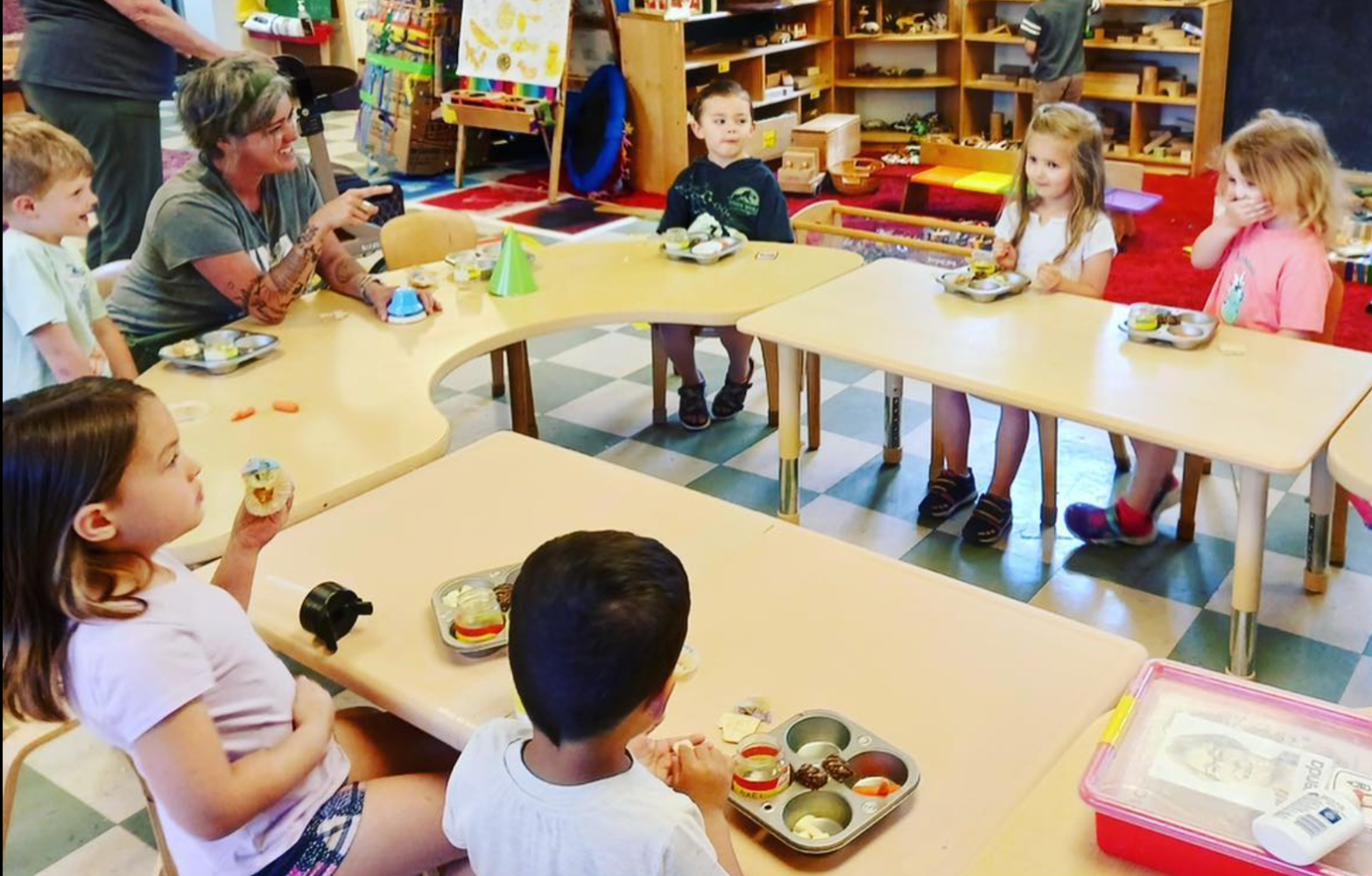
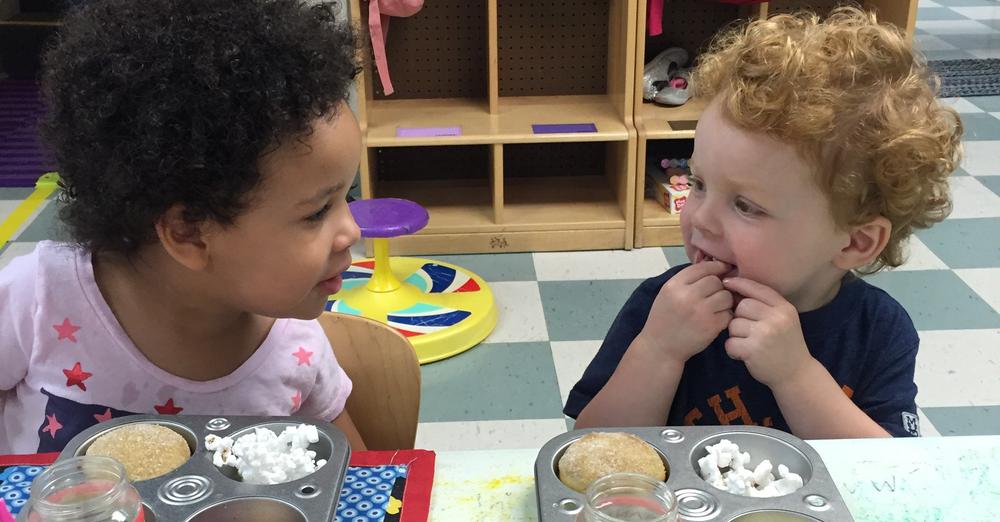
We believe that the way we communicate about food can help prevent children from having food hang-ups or dysfunctional issues with body image. Knowing that Snack Time can be a vulnerable time for children who are sensitive (often referred to by the world as “picky”) eaters, we use this as a time to relax, visit and try new foods in a safe way (children are allowed to touch, smell, lick, taste and even spit out things they don’t like). We will listen with genuine curiosity to what they have to say about what they like or don’t like about the food. By doing this in the preschool setting, we can help instill confidence in the child that perhaps one day they will like the taste (children’s taste buds are constantly changing!).
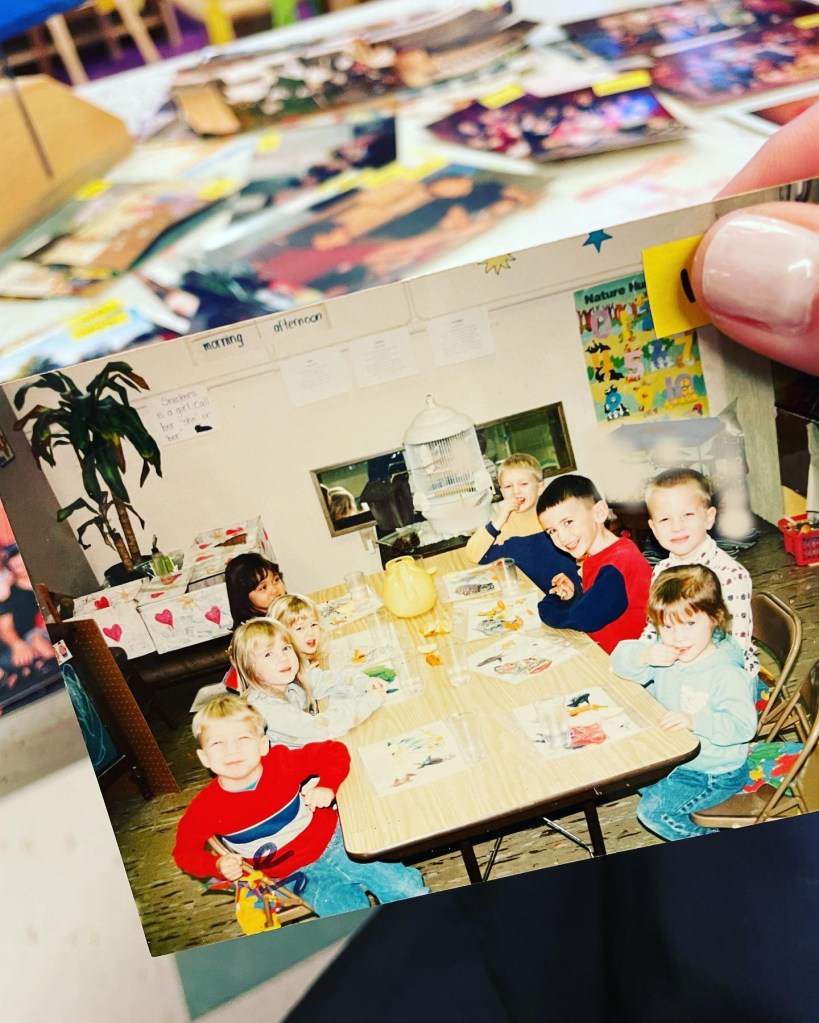
Knowing that children are intuitive eaters and that preschool is a unique setting, we will not tell children to finish food or insist they try something they don’t want to. There is no disappointment or shaming in a child’s choices on what order they eat their food, what to eat or not to eat nor is there praise for finishing all of their food.
In the same vein, we will not provide judgment on foods or restaurants. Unless it causes food poisoning, no food is inherently good or bad. We take the opportunity to explain what different foods can give us in terms of nutrients and energy rather than healthy or unhealthy. Staff and volunteers will strictly avoid commentary on their own food choices (ex: I’m going to be bad and eat another cookie or This is going to put on some pounds or I’ll have to work out after this snack.).
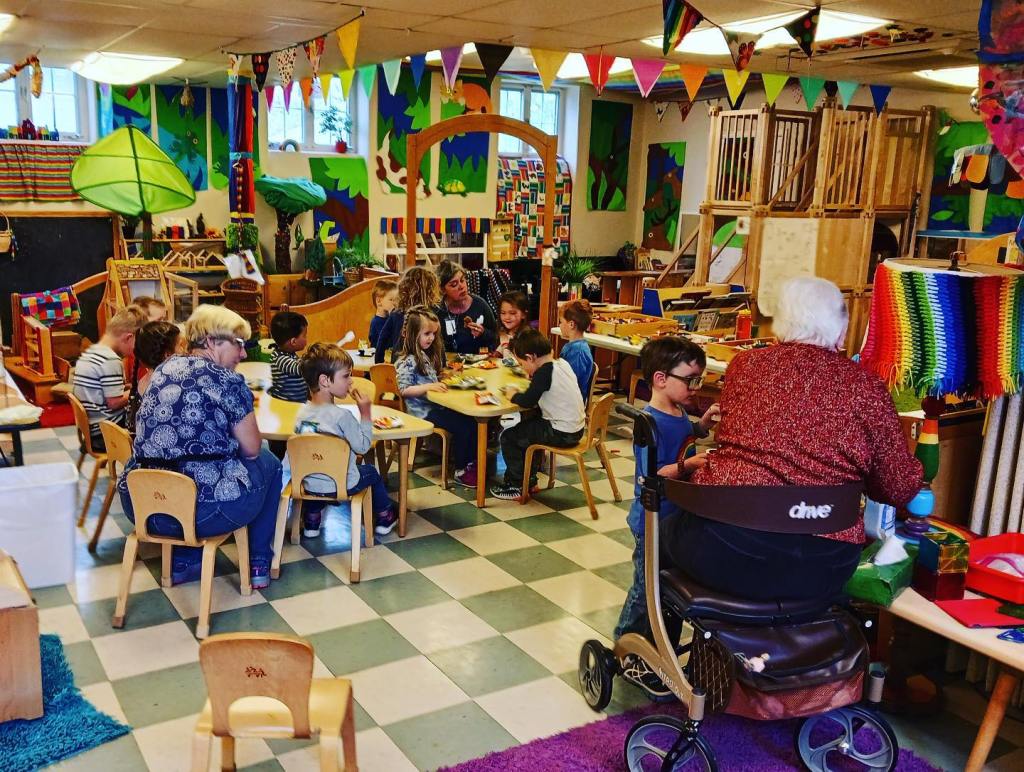
According to K.A.R. 28-4-439 (g), staff sits at the table with the child and socialization is encouraged. We make connections to the themes of the week (“These cheerios are like the wheels from our book! We’re eating rabbit food -carrots and lettuce! The crackers are the same shape as our book! Everything is the Color of the Month! Everything starts with the Letter of the Week!…”). Families are invited to sign up to bring snacks for their child’s class. There is a schedule in the Teacher Corner.
SNACK FOOD:
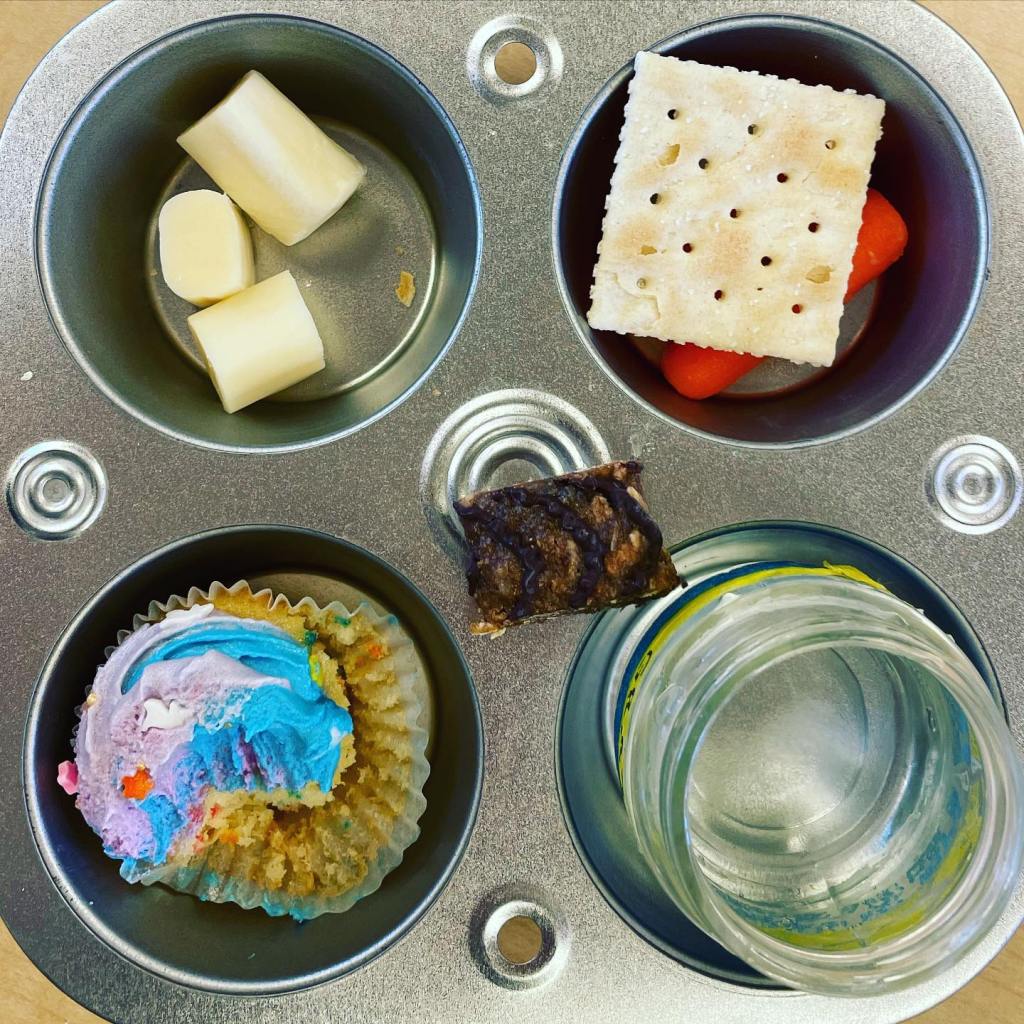
According to K.A.R. 28-4-439 (c)(3), mid-morning snacks include at least two of the following:
Milk, milk product or food made with milk;
Fruit, vegetable or full-strength fruit or vegetable juice;
Meat or meat alternate;
or Bread, bread product or cereal.
According to K.A.R. 28-4-439 (d), a sufficient quantity of food is available to allow children second portions. We
do this by having “Snack Stores” for children to get more food.
According to K.A.R. 28-4-439 (r), home canned food, food from dented, rusted, bulging or leaking cans or food from cans without labels is not used.
Kristin and Brenda will monitor back up snacks so we always have food to supplement what families bring.
Kristin will replenish snack supplies as needed.
SNACK STORAGE: When families bring food for Snack Time or Birthday Celebration, it should be taken to the kitchen and placed on the counter or refrigerator/freezer per the following guidelines:
K.A.R. 28-4-439 (k)(2) Perishables and potentially hazardous foods are continuously maintained at 45 degrees or lower in the refrigerator or 10 degrees or lower in the freezer with 0 degrees recommended. Each cold storage facility is provided with a clearly visible thermometer.
K.A.R. 28-4-439 (k)(3) All foods stored in the refrigerator are covered.
K.A.R. 28-4-439 (k)(4) Foods not requiring refrigeration are stored at least 6″ above the floor in clean, dry, well-ventilated storerooms or other areas.
K.A.R. 28-4-439 (k)(5) Dry, bulk foods not in their original, unopened containers are stored in metal, glass, or food-grade plastic containers with tight fitting covers and are labeled.
SAFE SNACKS FOR FOOD ALLERGIES/SENSITIVITIES: K.A.R. 28-4-439 (e) Food allergies or special dietary needs of children are known to all staff and volunteers. Individual trays are labeled with allergy information and posted on the kitchen cabinet. If a child has food allergies/sensitivities, families provide non-perishable safe snacks that we can keep on hand for them. Safe Snacks are labeled with the child’s name, stored on top of the refrigerator and served only to them. Brenda and Kristin monitor quantities and alert families when Safe Snack supplies are low.

SERVING SNACKS: We serve snack according to the following regulations:
K.A.R. 28-4-439 (n) Tables are washed before and after meals and floors are swept after meals.
K.A.R. 28-4-439 (m) Individual trays and cups maintaining smooth, hard-glazed surfaces and free from cracks or chips
K.A.R. 28-4-439 (h) Food is not placed on a bare table. Napkins and utensils are provided as needed.
K.A.R. 28-4-439 (l)(1): Table service can be maintained in sanitary condition by using disposable plates and cups, plastic utensils of food grade, medium weight.
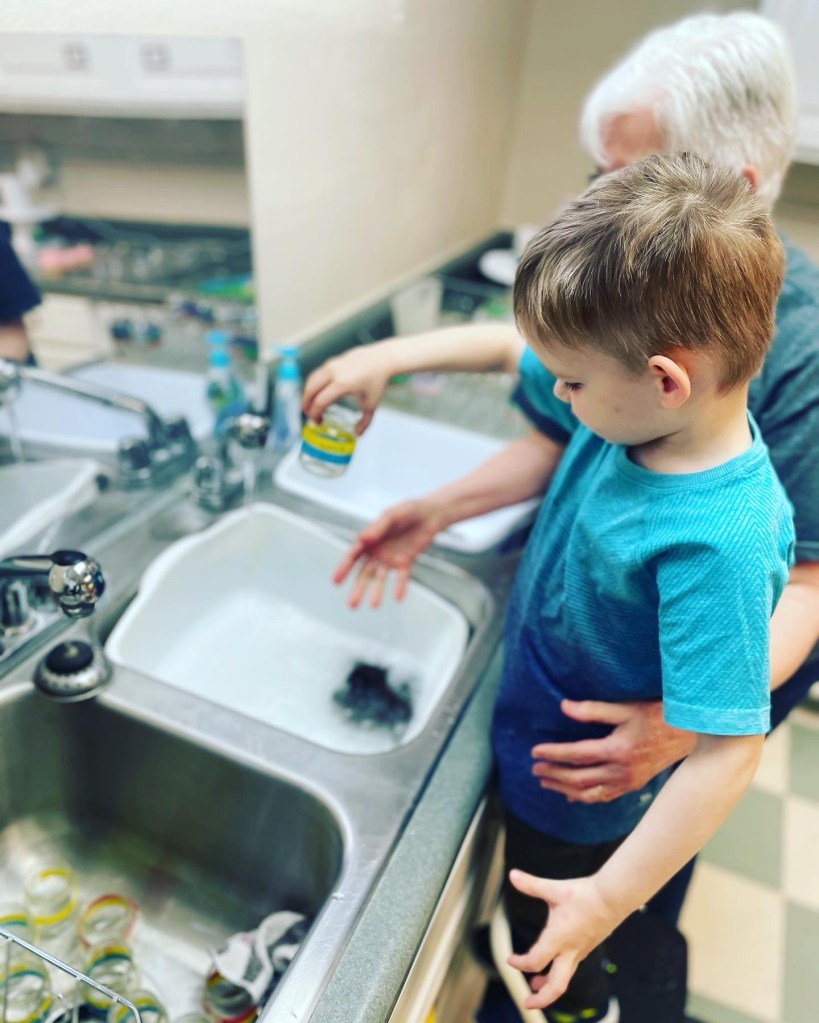
SNACK TIME CLEANING PROCEDURES: A volunteer will assist in getting all trays/cups to the kitchen, disposing of uneaten food/garbage and washing trays/cups according to the following regulations:
K.A.R. 28-4-439 (s): Garbage is placed in covered containers inaccessible to children and removed from the kitchen daily.
K.A.R. 28-4-439 (l)(2) Table service is maintained in sanitary condition using a three compartment sink supplied with hot and cold running water and drain board for washing, rinsing, sanitizing and air drying.
K.A.R. 28-4-439 (n) Tables are washed before and after meals and floors are swept after meals.
 newcreationpreschool.com